How to Make a Home Safer for an Older Parent in Australia
Most homes are full of small hazards we stop noticing: a curled rug edge, a dim hallway, a cord across the floor, a slippery shower. For a younger person they are nothing. For an older parent, any one of them can mean a fall, and a fall is the thing most likely to end independent living. The reassuring news is that making a home safer is mostly cheap, simple and quick, a mix of tidying a few things away, adding a rail or a light, and putting a way to call for help within reach.
This guide walks through the home room by room, covering both the practical changes that prevent a fall and the technology that helps catch one if it happens. We have leaned on the excellent Australian falls-prevention advice from state health programs like Stay On Your Feet, and pulled it together with the gadgets that genuinely help. None of it is hard, and an afternoon of small changes can make a real difference. A personal alarm adds another layer of safety, so see our guide to the best medical alarms in Australia.
Quick answer
Start with the three biggest wins: clear trip hazards like loose rugs, cords and clutter, improve the lighting so every path is bright, and make the bathroom safe with non-slip mats and grab rails. Then put a way to call for help within reach, usually a medical alarm. State falls-prevention programs like Stay On Your Feet have a free home safety checklist worth working through. An afternoon of small changes prevents most falls.
Clear the trip hazards
This is the cheapest and most effective place to start, because most falls at home are trips, not dramatic tumbles. Walk through the house and look at the floor with fresh eyes. Loose rugs and mats are the worst offenders, so either remove them or hold them down firmly with anti-slip tape or backing. Move power cords and phone cables to run along the walls, not across the places people walk. Clear clutter from hallways, the tops of stairs and the routes your parent uses most. None of this costs much, and it removes the hazards that cause the most falls.
Light every path
Poor lighting and night-time trips to the bathroom are a classic combination behind falls, and good lighting is one of the kindest changes you can make. Make sure every hallway, stairway and room is bright and easy to switch on, and pay special attention to the route from the bed to the bathroom. This is where technology helps beautifully: plug-in motion-sensor night lights glow softly when someone passes, and smart bulbs can be set to come on by themselves at dusk, both covered in our smart home devices guide. A well-lit path at 2am is worth more than almost any other single change.
Make the bathroom safe
The bathroom is where many serious falls happen, because it combines water, hard surfaces and standing on one leg. A few simple additions make a big difference: a non-slip mat in the shower or bath and another just outside it, grab rails by the shower and the toilet for something solid to hold, and for anyone unsteady, a shower seat and a handheld shower head so they can wash sitting down. These are inexpensive and available at any hardware store or mobility shop, and they turn the riskiest room in the house into a far safer one.
Put help within reach
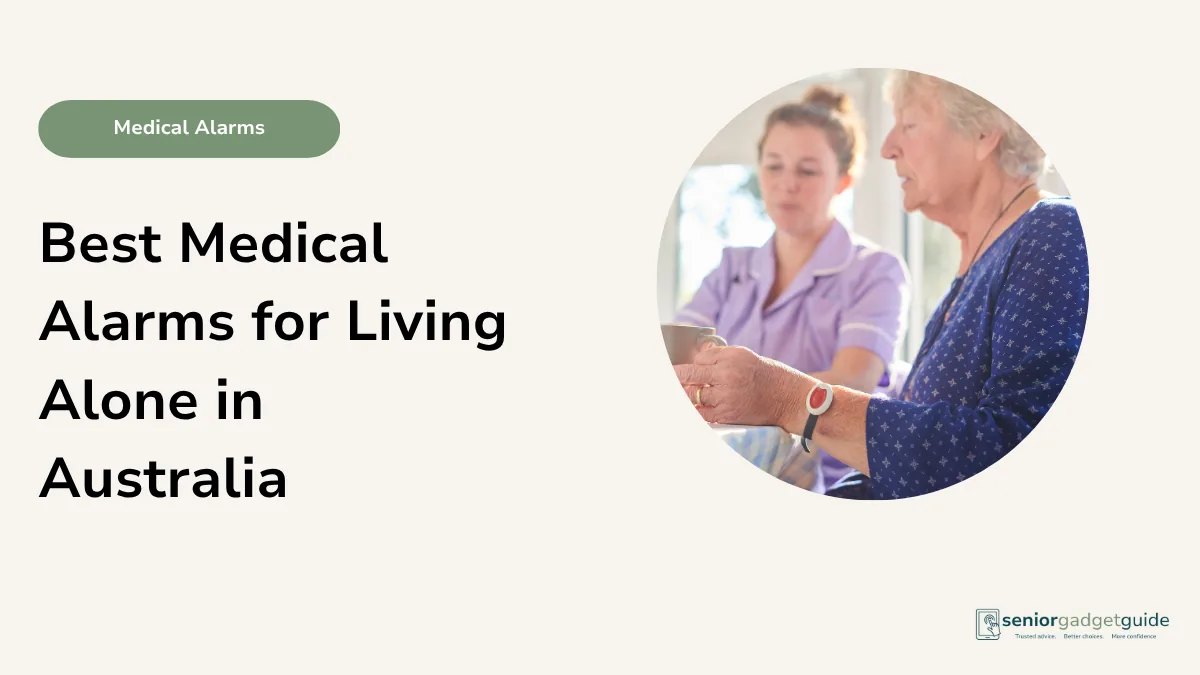
However safe you make a home, falls can still happen, so the next layer is making sure help can be called from wherever your parent might be. A monitored medical alarm, worn as a pendant or wristband, means a button-press brings help even if they cannot reach a phone, and fall detection can raise the alarm automatically if they cannot press it. This is the safety net under everything else, and for someone living alone it is the most important addition of all.
Stairs, the kitchen and outdoors
A few more spots are worth a look. On stairs, make sure there is a secure handrail, ideally on both sides, and that the edges are easy to see. In the kitchen, move everyday items to within easy reach so no one is climbing on a chair, and wipe up spills straight away. Outdoors, check paths and steps are even and well lit, clear moss and leaves that turn slippery, and add a rail by the back step if it is needed. Good footwear matters too: supportive shoes or slippers with grip, rather than loose scuffs or socks on smooth floors.
Use the free Australian resources
You do not have to work all this out alone. State falls-prevention programs, such as Stay On Your Feet, run by health departments in several states, have a free home safety checklist that takes you through the house room by room, along with advice on the strength and balance exercises that do as much to prevent falls as any change to the house. NSW Health’s Active and Healthy site and healthdirect also have good falls-prevention information and local support. Working through a Stay On Your Feet home safety checklist is a great way to be sure you have not missed anything.
Home safety checklist
- Remove or firmly secure loose rugs and mats, and clear clutter from walkways.
- Run cords along the walls, not across the floor.
- Brighten every path, with motion night lights for the route to the bathroom.
- Add non-slip mats and grab rails in the bathroom, and a shower seat if needed.
- Fit secure handrails on stairs, and check paths and steps outdoors.
- Put a medical alarm within reach, and work through a Stay On Your Feet home safety checklist.
Before you finish
Download the free Family Tech Safety Checklist to help check phone safety, passwords, scam messages, emergency contacts and medical alarm details.
The bottom line
Making a home safer for an older parent is one of the most worthwhile afternoons a family can spend, and most of it costs very little. Clear the trip hazards, light every path, make the bathroom safe, and put help within reach. Add the simple aids where they are needed, work through a free Stay On Your Feet home safety checklist, and you remove the everyday risks that threaten independent living. Small changes, real peace of mind, and a parent who can keep living safely in the home they love.
Our recommendation
Tackle the three biggest wins first: clear trip hazards, improve lighting, and make the bathroom safe with non-slip mats and grab rails. Add motion night lights and a medical alarm so help is always within reach, fit handrails on stairs, and work through a free Stay On Your Feet home safety checklist to be sure nothing is missed.
Next steps
A safer home is one part of the bigger picture. Our roundup of technology to help a parent stay independent at home ties it all together, and our guide to medical alarms for living alone covers the safety net. There is more in our independent-living guides.
FAQ: making a home safer
What is the most important change to make?
Clearing trip hazards like loose rugs, cords and clutter, because most falls at home are trips. After that, better lighting and a safe bathroom are the next biggest wins.
Do I need to spend a lot?
No. Most of it is cheap or free: tidying hazards away, anti-slip tape, non-slip mats, grab rails and motion night lights. A medical alarm may be subsidised through My Aged Care’s Support at Home program for over-65s, or the NDIS for those under 65.
What about the bathroom?
Add a non-slip mat in and outside the shower, grab rails by the shower and toilet, and a shower seat and handheld shower head for anyone unsteady. The bathroom is where many serious falls happen.
Can technology help prevent falls?
Yes. Good lighting, including motion night lights and smart bulbs, prevents falls on dark trips to the bathroom, and a medical alarm with fall detection makes sure help comes if a fall does happen.
Where can I get a checklist?
State falls-prevention programs like Stay On Your Feet have a free home safety checklist that goes through the house room by room, and healthdirect has falls-prevention information and local support.