
Medical Alarms in Australia
A medical alarm can help an older person call for help if they fall, feel unwell, or cannot reach a phone. For families it offers reassurance. For the person wearing it, it can support staying independent at home. These guides explain what to check before choosing one in Australia, so you can compare calmly and choose what genuinely fits. This section is buying and family decision support, not medical advice.
Where to start
New to this? Start with what families should check before choosing. Comparing types? Read monitored versus unmonitored, and how fall detection really works.
What to check before choosing
- Where it works: at home only, or outside the house and in the places your parent visits.
- Monitored or unmonitored: whether a call centre answers, or the alarm rings family directly.
- Fall detection: helpful, but understand what it can and cannot reliably do.
- Comfort and habit: a pendant or watch only helps if the person will actually wear it.
- The contract: what is included, the ongoing cost, and how to cancel.
In Australia, providers such as INS LifeGuard, Tunstall and LiveLife are well known, alongside several other private options. It is worth comparing a few before committing.
Choosing a medical alarm
Best Medical Alarms in Australia
A calm buying guide to the main options.
Best Smartwatches for Seniors
Alarm-style and everyday watches that can call for help or detect a fall.
Some links in our buying guides are affiliate links. If you buy through them we may earn a small commission, at no extra cost to you. We only recommend products we would suggest to our own family.
Best Medical Alarms for Living Alone
Reassurance for someone living on their own.
Best Mobile Medical Alarms with GPS
Help away from home, not just indoors.
Best Fall Detection Alarms
Alarms that call for help after a fall.
Best Medical Alarm Watches
A discreet alarm worn like a watch.
Best Smart Home Devices for Seniors
Simple smart-home help around the house.
Best Video Doorbells for Seniors
See who is at the door, safely.
Best Smart Speakers: Calling for Help
Hands-free help by voice.
Read the guide about Best Smart Speakers: Calling for Help →
Best GPS Trackers for a Parent Living with Dementia
Peace of mind if a parent wanders.
Read the guide about Best GPS Trackers for a Parent Living with Dementia →
Best Automatic Pill Dispensers
The right pills at the right time.
Best Fall-Detection Smartwatches
Everyday watches that detect a fall.
Hearing Aids in Australia: A Simple Buying Guide
Choosing hearing aids in Australia.
Read the guide about Hearing Aids in Australia: A Simple Buying Guide →
Which alarm setup suits best
| What you need | Better fit |
|---|---|
| You want someone to always answer the call | A monitored alarm with a 24-hour call centre |
| You want family alerted directly | An unmonitored alarm that rings your own contacts |
| Your parent goes out and about | A mobile alarm with GPS, not a home-only unit |
| A pendant tends to be left on the bench | An alarm-style smartwatch they will keep wearing |
| Falls are the main worry | An option with fall detection, knowing its limits |
Understanding the options
Monitored vs Unmonitored Medical Alarms
The biggest difference, explained simply.
Read the guide about Monitored vs Unmonitored Medical Alarms →
Fall Detection in Medical Alarms
What it is, and what to realistically expect.
Medical Alarm Costs: What to Expect
What you can expect to pay, plainly.
Questions to Ask Before Signing a Contract
What to check before you commit.
Read the guide about Questions to Ask Before Signing a Contract →
St John Ambulance Medical Alarms: What to Know
About a well-known Australian option.
Read the guide about St John Ambulance Medical Alarms: What to Know →
Pendant vs Wristband vs Watch
Which style of alarm suits best.
Medical Alarm vs Smartwatch: Which to Choose
Which is the better fit, and why.
Read the guide about Medical Alarm vs Smartwatch: Which to Choose →
Helping a parent or family member
Medical Alarms: What Families Should Check Before Choosing One
The questions to ask before you sign anything.
Read the guide about Medical Alarms: What Families Should Check Before Choosing One →
Technology to Help a Parent Stay Independent at Home
Tools that support living at home.
Read the guide about Technology to Help a Parent Stay Independent at Home →
How to Make a Home Safer for an Older Parent
Simple changes that reduce risk.
Read the guide about How to Make a Home Safer for an Older Parent →
FAQ: Medical alarms
Do I need a monitored alarm, or will an unmonitored one do?
It depends who you want to answer the call. A monitored alarm reaches a 24-hour call centre. An unmonitored one rings family or friends directly. Our comparison guide explains the trade-offs.
Does fall detection always work?
No system is perfect. Fall detection can miss some falls and trigger false alarms. It is a helpful extra, not a guarantee. Our fall detection guide is honest about what to expect.
Will an alarm work away from home?
Some work only at home, others use the mobile network and GPS to work out and about. Check the coverage matches where your parent actually goes.
Is a smartwatch a good alternative?
For some people, yes. A watch is harder to leave on the bench than a pendant, and some include fall detection and emergency calling. See our smartwatch guide.
Who provides medical alarms in Australia?
Providers such as INS LifeGuard, Tunstall and LiveLife are well known, and there are several others. Compare features, coverage and ongoing cost before choosing.
Before you finish
Download the free Family Tech Safety Checklist to help check phone safety, passwords, scam messages, emergency contacts and medical alarm details.
Where to go next
This guide is part of our Independent Living section, alongside our hearing help guides, from free hearing tests to what hearing aids really cost.
This guide is part of our Independent Living section, alongside our hearing help guides, from free hearing tests to what hearing aids really cost.
If staying in touch is the main goal, a simple phone may help too, see Phones. For everyday safety online, see Staying Safe Online. For a printable pack covering alarms, contacts and safety, see The SeniorTech Toolkit.
More medical alarm guides
-
Do You Still Need a Landline for a Medical Alarm in Australia?
Modern medical alarms in Australia work without a copper landline. Here is how they connect, and what the 3G shutdown…
-
Medical Alarm Funding in Australia: My Aged Care, State Schemes and DVA
Many older Australians can get help with medical alarm costs through My Aged Care, a state scheme, or DVA. Who…
-
Medical Alarms in Australia: What Families Should Check Before Choosing One
A simple guide to medical alarms in Australia, including monitored alarms, fall detection, mobile alarms, costs, funding, and questions families…
-
Fall Detection in Medical Alarms: What Australia Families Should Know
Fall detection can be a useful feature in some medical alarms, but it is not perfect. This guide explains how…
-
Monitored vs Unmonitored Medical Alarms in Australia: What Families Should Know
Monitored and unmonitored medical alarms work differently. This guide explains the difference and what Australian families should check before choosing.
-
Best Smartwatches for Seniors in Australia: Simple Buying Guide
A plain-English guide to choosing the best smartwatch for seniors in Australia, including Apple Watch SE, Samsung Galaxy Watch and…
-
Best Medical Alarms in Australia: Simple Buying Guide
A plain-English buying guide to the best medical alarms in Australia, comparing MePACS, INS LifeGuard, VitalCALL, Tunstall and LiveLife, plus…
-
How to Talk to a Parent About Getting a Medical Alarm
A kind, practical guide to talking to an older parent about getting a medical alarm, framing it around independence, dignity…
-
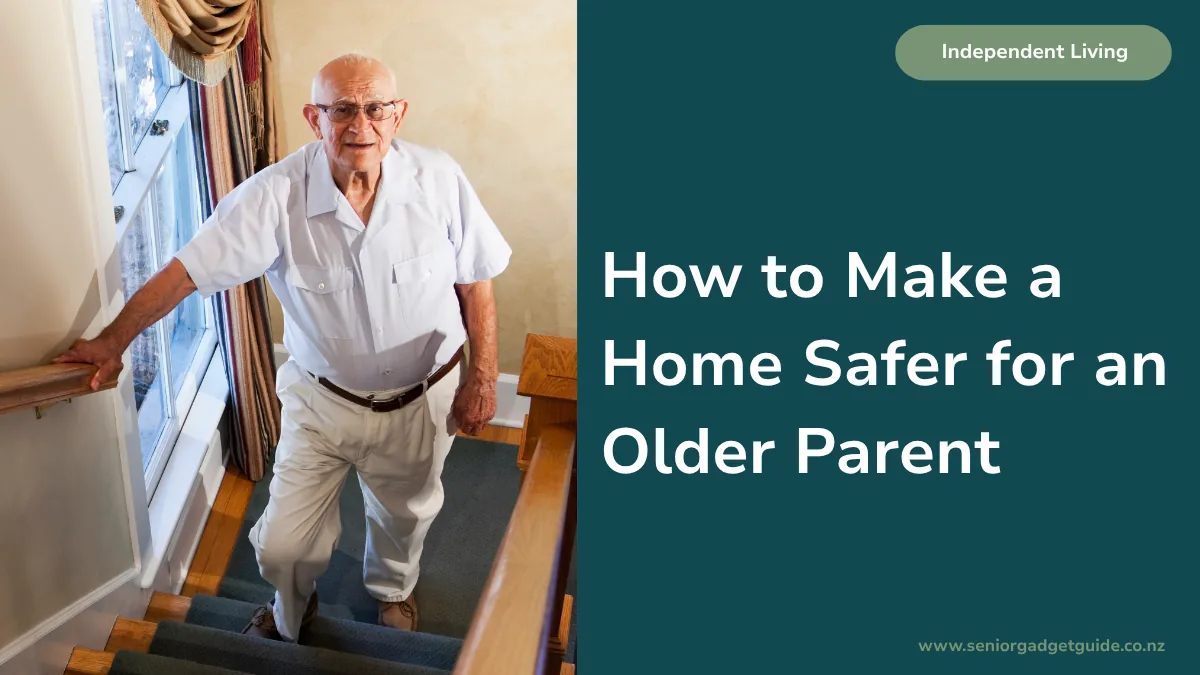
How to Make a Home Safer for an Older Parent in Australia
A practical, room-by-room guide to making a home safer for an older parent in Australia, combining simple fall-prevention changes with…